Explore the intricate aspects of Jueteng, its socio-economic implications, and its persistent presence.
Understanding Jueteng and Its Impacts on Society
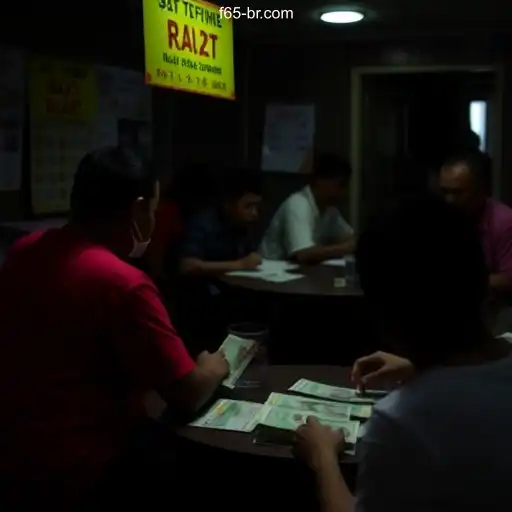
Jueteng is a popular numbers game played predominantly in the Philippines. It is deeply entrenched in the culture and history of the nation despite being illegal. The game operates very much like a lottery, where bettors place their money on a combination of numbers in the hopes of winning cash prizes. Jueteng's popularity persists due to its socio-economic impact and its ties to both poverty and politics.
The Mechanics of Jueteng
The mechanics of Jueteng are relatively simple. Numbers are usually drawn from a range of 1 to 37. Players select combinations of two numbers and place their bets. The winning combination is then determined through a draw, often conducted multiple times daily. The simplicity and accessibility of this game make it appealing to a broad demographic, including those from lower economic strata.
While the game's simplicity is appealing, it is also illegal, with its operations often run by underground syndicates. Despite numerous governmental efforts to curb its practice, Jueteng remains prevalent, primarily due to its economic significance to those involved, from the bettors to the operators. The lack of formal banking systems and accessible financial services pushes many towards informal and illegal forms of gambling, like Jueteng.
Socio-Economic Impact of Jueteng
Jueteng is more than just a game; it is a socio-economic phenomenon. For many, it represents a potential escape from poverty, offering the hope of financial stability, however illusive that may be. Understanding Jueteng requires an understanding of the underlying socio-economic fabric of the Philippines. It is predominantly played in regions where poverty is widespread and financial literacy is low.
The operators of Jueteng have turned it into a highly organized industry providing employment and income for many individuals. From bet collectors known as 'cobradores' to coordinators and managers, Jueteng enables a significant underground economy. This system often provides for the daily needs of those who cannot secure stable employment in formal sectors.
Political Ramifications
Jueteng is also deeply intertwined with politics, often providing the funds necessary for local candidates during elections. Candidates seeking office sometimes receive support in exchange for protection or even active participation in Jueteng operations. Consequently, this illicit activity continues to thrive under various administrations, with law enforcement efforts often compromised due to political connections.
The relationship between Jueteng and politics highlights a significant challenge in governance and the enforcement of anti-gambling laws. Corruption and political patronage create an environment where Jueteng operations are allowed to flourish despite the official illegality. This reality poses a significant challenge to any administration aiming to eradicate illicit gambling.
Efforts to Combat Jueteng
The Philippine government has made multiple attempts to curb Jueteng, with varying degrees of success. Efforts have included crackdowns on operations and the establishment of legitimate alternatives such as the Philippine Charity Sweepstakes Office lotteries. However, these efforts often fall short due to the pervasive nature of the game and its socio-economic roots.
Educational campaigns aimed at raising awareness about the negative impacts of illegal gambling have also been initiated. These programs focus not only on the legal ramifications but also on promoting financial literacy. Nevertheless, the enduring socio-economic challenges, such as poverty and lack of financial alternatives, continue to drive the popularity of Jueteng.
Comparative Outlook: Legal Gambling Platforms
A potential solution lies in the promotion of legal gambling platforms that offer fair games and regulated betting options, similar to international entities like F65.Com Brasil: O Melhor Cassino Online e Apostas Esportivas. Platforms such as these not only adhere to legal standards but also provide a safer and more secure environment for gaming enthusiasts. They offer a range of options from casino games to sports betting, which can be appealing to those interested in gambling activities.
By directing gambling activities towards legal platforms, stakeholders could potentially redirect the funds flowing into Jueteng operations into legitimate and regulated channels. This shift could help reduce the socio-economic dependencies built around illegal gambling and foster a more responsible gaming culture.
Conclusion: Navigating the Jueteng Challenge
The persistence of Jueteng underscores a complex intersection of culture, economy, and politics in the Philippines. While efforts to eliminate it continue, stakeholders must address the root causes that perpetuate its existence. Investing in education, creating alternative livelihoods, and strengthening financial literacy are crucial steps forward. Moreover, promoting legal gambling platforms could serve as an alternative for those seeking such activities, potentially diminishing the reliance on illegal methods.
By fostering a balanced approach that includes law enforcement, education, and economic development, society can begin to unravel the intricate web of dependency surrounding Jueteng, leading towards a more equitable and legally compliant future.